
The New Retirement Number: Why Saving $1.5 Million May No Longer Be Enough in 2026
NEW YORK — For decades, financial planners pointed to $1 million as the “gold standard” for a comfortable retirement. However, a comprehensive 2026 study released Wednesday reveals that the goalposts have shifted significantly. Driven by persistent healthcare inflation and a structural shift in housing costs, the new “magic number” for the average American worker has climbed to an estimated $1.8 million.
The study, conducted by the Global Financial Institute, highlights a growing “retirement gap” between what workers think they need and the economic reality of a post-2025 economy.
Why the Number is Climbing
Several macroeconomic factors have converged to drive up the cost of a thirty-year retirement. Even as general inflation stabilizes, specific sectors that dominate retiree spending continue to see outsized price hikes.
The Healthcare “Tail”: Long-term care costs and out-of-pocket medical expenses are projected to consume nearly 30% of the average retiree’s budget by 2030.
Housing Persistence: Unlike previous generations who entered retirement with paid-off mortgages, a record number of “New Retirees” in 2026 still carry housing debt or face rising property taxes and insurance premiums.
Longevity Risk: With advances in biotechnology and personalized medicine, “Planning for 95” has become the new standard, requiring an extra five to seven years of capital.
The “4% Rule” Under Fire
The traditional “4% Rule”—which suggests you can safely withdraw 4% of your portfolio annually without running out of money—is being re-evaluated. Financial advisors in 2026 are increasingly suggesting a more conservative 3.2% to 3.5% withdrawal rate to account for market volatility and increased life expectancy.
Strategies for the 2026 Landscape
To hit the $1.8 million mark, the study suggests three primary shifts in saving behavior:
The “Catch-Up” Maximization: Workers over 50 should prioritize the newly increased federal “catch-up” contribution limits for 401(k)s and IRAs.
Health Savings Accounts (HSAs) as Retirement Vehicles: Because HSA contributions are triple-tax advantaged, they are being used as secondary 401(k)s specifically for future medical costs.
Delayed Social Security: For every year you delay claiming Social Security past your full retirement age (up to age 70), your monthly benefit increases by approximately 8%. In 2026, this “guaranteed return” is often the best hedge against inflation.
The Psychological Barrier
“The biggest hurdle isn’t the math; it’s the sticker shock,” says senior wealth manager David Chen. “When people hear $1.8 million, they feel defeated. But the key is starting with the ‘compounding curve.’ Even small adjustments to a diversified portfolio in your 30s and 40s make that number achievable.”
Apr 13, 2026
The New Retirement Number: Why Saving $1.5 Million May No Longer Be Enough in 2026
NEW YORK — For decades, financial planners pointed to $1 million as the “gold standard” for a comfortable retirement. However, a comprehensive 2026 study released Wednesday reveals that the goalposts have shifted significantly. Driven by persistent healthcare inflation and a structural shift in housing costs, the new “magic number” for the average American worker has climbed to an estimated $1.8 million.
The study, conducted by the Global Financial Institute, highlights a growing “retirement gap” between what workers think they need and the economic reality of a post-2025 economy.
Why the Number is Climbing
Several macroeconomic factors have converged to drive up the cost of a thirty-year retirement. Even as general inflation stabilizes, specific sectors that dominate retiree spending continue to see outsized price hikes.
The Healthcare “Tail”: Long-term care costs and out-of-pocket medical expenses are projected to consume nearly 30% of the average retiree’s budget by 2030.
Housing Persistence: Unlike previous generations who entered retirement with paid-off mortgages, a record number of “New Retirees” in 2026 still carry housing debt or face rising property taxes and insurance premiums.
Longevity Risk: With advances in biotechnology and personalized medicine, “Planning for 95” has become the new standard, requiring an extra five to seven years of capital.
The “4% Rule” Under Fire
The traditional “4% Rule”—which suggests you can safely withdraw 4% of your portfolio annually without running out of money—is being re-evaluated. Financial advisors in 2026 are increasingly suggesting a more conservative 3.2% to 3.5% withdrawal rate to account for market volatility and increased life expectancy.
Strategies for the 2026 Landscape
To hit the $1.8 million mark, the study suggests three primary shifts in saving behavior:
The “Catch-Up” Maximization: Workers over 50 should prioritize the newly increased federal “catch-up” contribution limits for 401(k)s and IRAs.
Health Savings Accounts (HSAs) as Retirement Vehicles: Because HSA contributions are triple-tax advantaged, they are being used as secondary 401(k)s specifically for future medical costs.
Delayed Social Security: For every year you delay claiming Social Security past your full retirement age (up to age 70), your monthly benefit increases by approximately 8%. In 2026, this “guaranteed return” is often the best hedge against inflation.
The Psychological Barrier
“The biggest hurdle isn’t the math; it’s the sticker shock,” says senior wealth manager David Chen. “When people hear $1.8 million, they feel defeated. But the key is starting with the ‘compounding curve.’ Even small adjustments to a diversified portfolio in your 30s and 40s make that number achievable.”
Apr 13, 2026
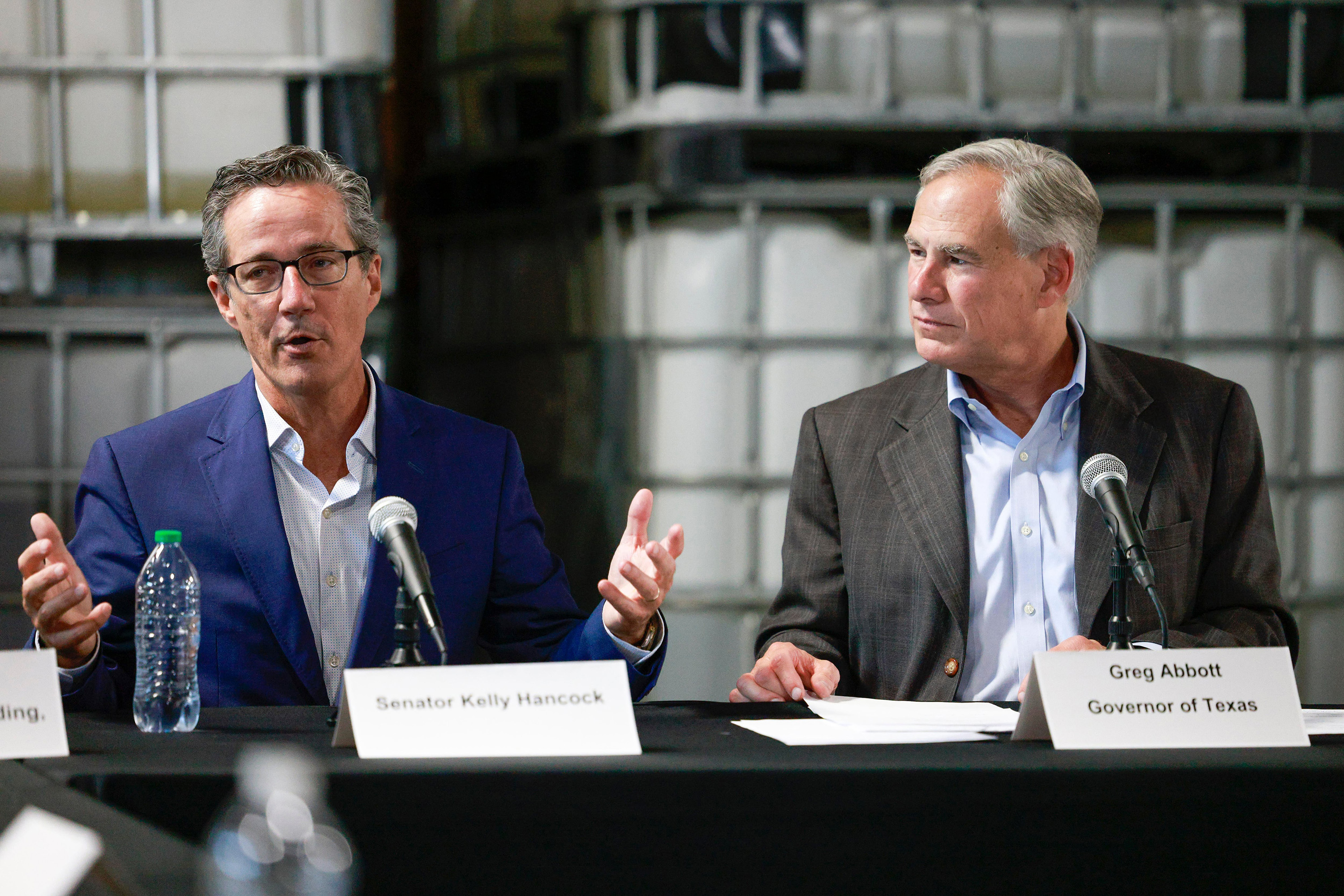
Midnight Reprieve: Congressional Leaders Strike Deal to Avert DHS and TSA Shutdown
WASHINGTON — In a dramatic 11th-hour breakthrough, Congressional leaders announced early Wednesday that they have reached a bipartisan agreement to fund the Department of Homeland Security (DHS), narrowly averting a catastrophic shutdown of the nation’s airports and border operations.
The deal, struck just hours before a midnight deadline, ensures that hundreds of thousands of “essential” federal employees—including TSA agents and Border Patrol officers—will continue to receive their paychecks without interruption as the busy spring travel season ramps up.
The “Spring Break” Pressure Cooker
The stakes for this round of funding negotiations were particularly high. With millions of Americans traveling for spring break, a TSA shutdown would have resulted in immediate, massive delays at security checkpoints nationwide.
Under a shutdown, “essential” workers are required to stay on the job but do so without pay until a budget is passed. Historically, this leads to high “call-out” rates as officers struggle with the financial burden of commuting and childcare without a steady income.
Key Components of the Deal
While the full text of the legislation is still being finalized for a floor vote, early reports indicate the compromise includes:
Border Security Funding: A significant increase in technology and personnel for the southern border, a key demand from House Republicans.
TSA Pay Equity: Continued funding for the pay raises implemented last year, ensuring TSA salaries remain competitive with the private sector.
Cybersecurity Grants: Enhanced funding for the Cybersecurity and Infrastructure Security Agency (CISA) to protect state and local governments from increasing ransomware threats.
FEMA Disaster Relief: A replenishment of the Disaster Relief Fund (DRF), which had been nearing “emergency-only” levels following a string of winter storms.
A Temporary Fix?
The agreement is structured as a “Continuing Resolution” (CR) that will fund the department through the end of the 2026 fiscal year in September. While this provides immediate stability, it sets the stage for another high-stakes battle over the 2027 budget later this fall.
“Nobody got everything they wanted, but we got what the American people needed: a functional government and secure borders,” said a senior member of the Senate Appropriations Committee.
Impact on Travelers
For the average traveler, the deal means business as usual.
TSA Checkpoints: Will remain fully staffed.
Customs Processing: Will continue at normal capacity for international arrivals.
Global Entry/PreCheck: Enrollment centers will remain open for scheduled appointments.
What Happens Next?
The House and Senate are expected to hold formal votes on the package by Wednesday afternoon. President Biden has already indicated he will sign the measure immediately upon its arrival at his desk.
As the threat of a shutdown recedes, the focus in Washington shifts to the broader 2027 budget proposals, where the same partisan divisions over immigration and spending are expected to resurface
Apr 13, 2026